FloodBrief → Flood protection gear
The top 10 flood protection items for your home, ranked
Ten things that genuinely reduce flood damage — from £10 airbrick covers to the dehumidifier that shortens the drying-out by weeks. Why each one earns its place, what to check before buying, and what it typically costs.
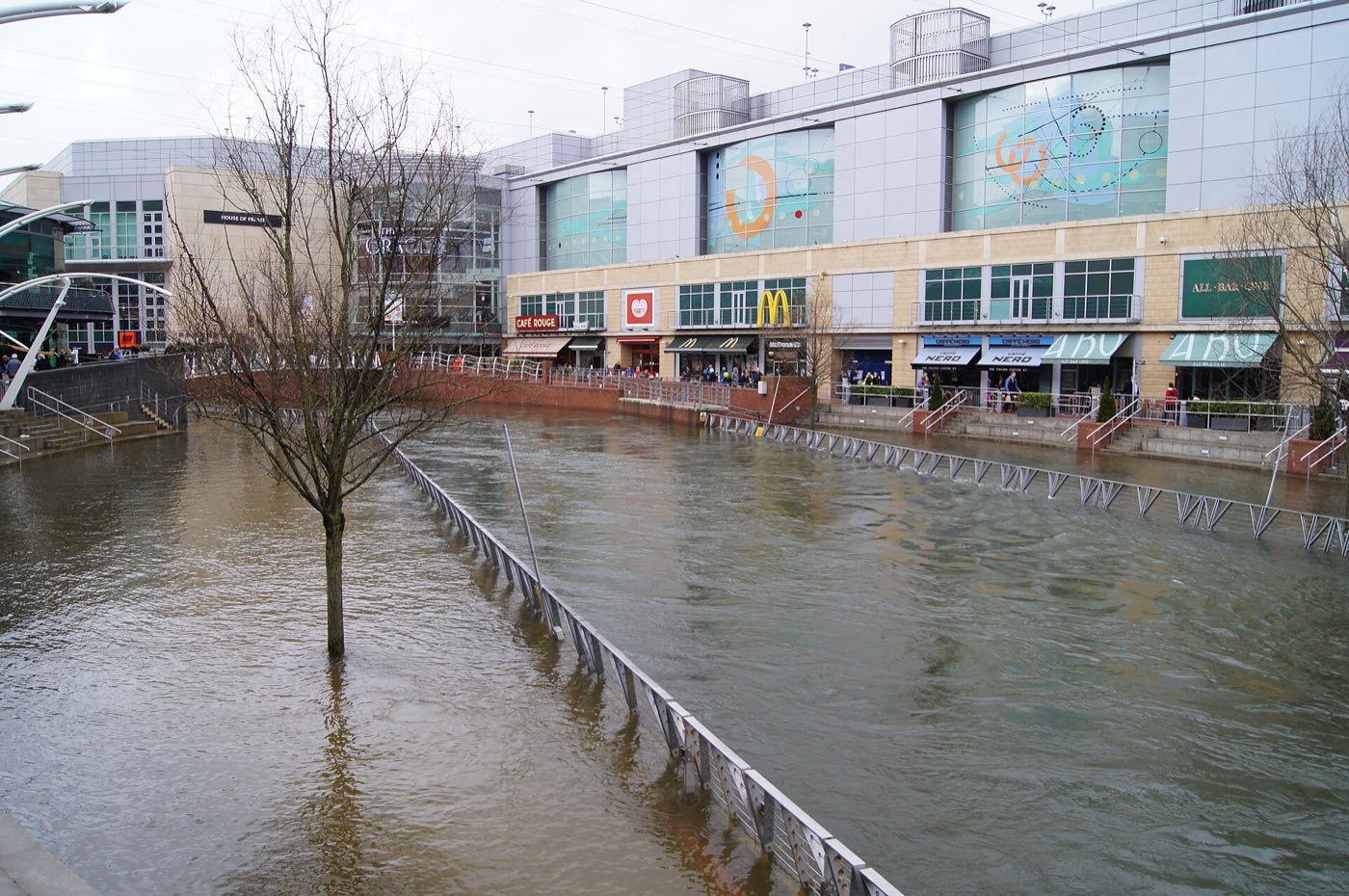

This page contains affiliate links. As an Amazon Associate, FloodBrief earns from qualifying purchases — it costs you nothing extra and helps keep our guides free. Prices and availability are set by Amazon and change often; always check the current listing. Product photos are illustrative examples of each category, not specific Amazon listings.
No kit makes a home floodproof. Start by knowing your actual risk — a property flood report shows what your address faces — and sign up for free flood alerts so kit gets deployed in time. For whole-house resilience work (tanking, resistant doors, pumps built into the fabric), commission a professional Property Flood Resilience survey.
Keep the water out
The order matters: airbricks and doors are how most floodwater gets into a house.
#1 Airbrick covers Cheapest quick win
Push-fit or self-adhesive covers that seal your airbricks in seconds. Airbricks sit low on the wall — often below likely flood level — and are usually the first way water gets in. A few pounds per vent buys real protection for shallow flooding.
Why it's #1: Airbricks are the lowest openings on most house walls, and covering them costs less than a takeaway — the most protection per pound on this page.
- Fits in seconds, no tools
- Cheap enough to do every vent
- Covers shallow surface-water flooding — the most common kind
- Someone has to remember to fit them
- Only seals well against sound, clean brickwork
Before you buy: Count your airbricks and measure them first: UK standard sizes are 9″×3″ and 9″×6″. Keep the covers somewhere you can find them in the dark.
#2 Door flood barriers Most protection per pound
A purpose-made barrier seals a doorway far better than a wall of sandbags. Modern frameless designs wedge against the reveal with a rubber gasket — no drilling, up in a couple of minutes, reusable for years.
Why it's #2: Doorways are the other main way water gets in, and a gasket-sealed barrier does what a pile of sandbags never quite manages.
- Genuinely seals against standing water
- Reusable flood after flood
- Frameless designs need no drilling
- Must be measured for your opening
- No use in the shed once water arrives — fit it early
Before you buy: Measure the clear opening width before you buy, and check the model's stated maximum depth of water. Practise fitting it once on a dry day.
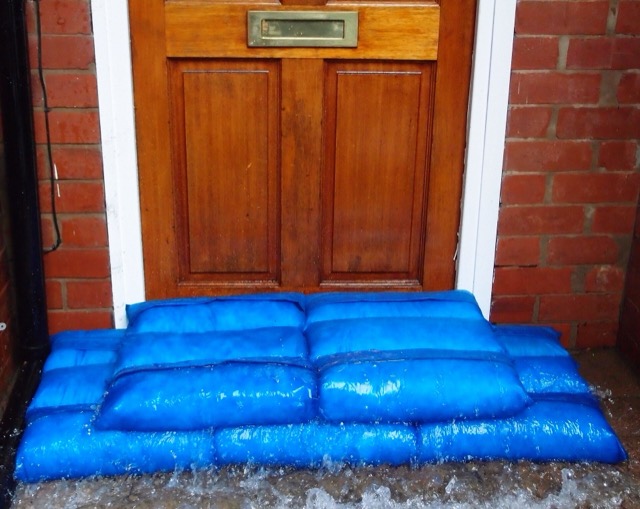
#4 Sandbag alternatives
Flat-packed absorbent barriers (HydroSack-style) that swell into a heavy bolster when they meet water. They store flat for years, weigh next to nothing dry, and skip the miserable job of filling real sandbags in the rain.
Why it's #4: Everything sandbags promise without the sand: flat in a cupboard for years, deployed in minutes, and they mould around gullies and pipes where a rigid barrier can't.
- Store flat and weigh little until needed
- Shape around drains, pipes and low airbricks
- No shovelling sand in the rain
- Need a few minutes of water contact to swell
- Single-flood use — they can't be dried out and reused
Before you buy: They take a few minutes to swell, so deploy them when a warning is issued — not when water is already at the door.
#5 Self-closing flood airbricks
The fit-and-forget upgrade: a replacement airbrick whose vents float shut automatically when water reaches them, then reopen as it drops. Nothing to remember, nothing to fetch from the shed at 2am.
Why it's #5: Does the airbrick-cover job automatically — worth the extra for anyone who might not be home (or awake) when water arrives.
- Nothing to remember or fetch at 2am
- Permanent once fitted
- Normal airflow the rest of the time
- Costs more per vent than push-on covers
- Needs fitting — easy DIY, but still a job
Before you buy: Buy the same size as the brick you're replacing. Fitting is a straightforward job for a confident DIYer or any general builder.
#6 Non-return (anti-flood) valves
When drains surcharge in a flood, sewage can back up through toilets and gullies — one of the most damaging and unpleasant ways water enters a home. A one-way valve on the drain lets waste out but nothing back in.
Why it's #6: Sewage backing up through toilets and gullies is the most miserable way a home floods — and the one nothing else on this page can stop.
- Stops the foulest kind of flooding
- Automatic and invisible once fitted
- Modest cost next to the damage it prevents
- Main-drain valves need professional fitting
- Must be maintained or it can cause blockages
Before you buy: Simple push-in valves suit individual pipes; a valve on the main drain run should be specified and fitted by a drainage professional so it doesn't cause blockages.
Know early
Minutes of warning are worth more than any single piece of kit.
#3 Water leak & flood alarms
A sensor on the floor of a cellar, garage or utility room that alerts your phone the moment water touches it. For rooms you don't look at every day, that can mean hours of extra warning — enough time to move cars, lift furniture and fit barriers.
Why it's #3: Minutes of warning multiply the value of everything else here — barriers and covers only work if someone knows to fit them.
- Phone alerts from rooms you never check
- Cheap, battery-powered, no plumbing
- Also catches burst pipes and leaking appliances
- Wi-Fi models depend on the router staying up
- Siren-only versions help only when you're home
Before you buy: Wi-Fi models notify you anywhere; siren-only models are cheaper but only help when you're home. Pair them with free river-level alerts from FloodRadar for warning before water even arrives.
If water is coming in
Kit that limits the damage once a flood has started.
#8 Submersible puddle pump
A "puddle" or low-level submersible pump clears a flooded room down to a few millimetres — a standard pump stops much higher. Getting water out hours earlier can be the difference between drying out and ripping out.
Why it's #8: Hours matter once water is inside: pumping out early is often the difference between drying a room out and ripping it out.
- Clears water down to a few millimetres
- Works unattended while you deal with everything else
- Far faster than bailing or a vac alone
- Mains-powered — RCD-protected socket only
- Needs a hose long enough to discharge outside
Before you buy: You'll want a discharge hose long enough to reach outside. Only run mains equipment through an RCD-protected socket, and never stand in water while plugging anything in.
#7 Waterproof document bags
Passports, insurance policies, photos, spare keys and a power bank in a proper roll-top dry bag — grabbed in one movement on the way upstairs or out of the door. The cheapest item on this page and arguably the most used.
Why it's #7: The cheapest item here and the one that gets used — floods, storms, power cuts and every hurried exit from the house.
- Costs less than a takeaway, lasts years
- One-movement grab on the way upstairs or out
- Doubles as general emergency storage
- Protects paperwork, not the house — pair it with the kit above
- Cheap zip-seal versions leak; buy a proper roll-top
Before you buy: This belongs inside a flood kit — our guide to building one in 15 minutes covers what else goes in the bag.
Cleaning up & drying out
The flood is hours; the drying-out is weeks. These shorten it.
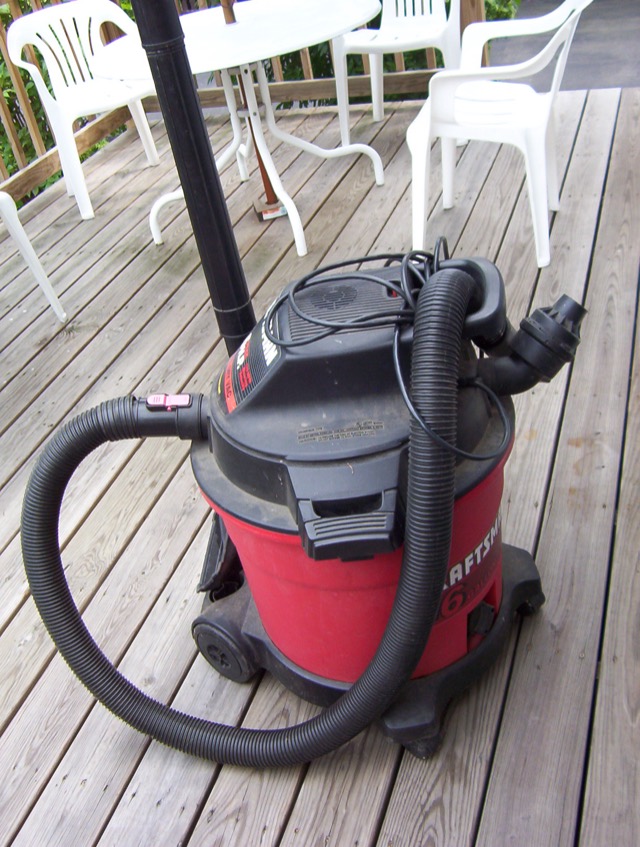
#10 Wet & dry vacuum
Once the pump has done the bulk, a wet & dry vac gets the last of the standing water and sodden silt out of carpets, corners and stairs. Ordinary vacuums die instantly on water — this is the tool insurers' own cleanup crews reach for.
Why it's #10: Last only because its job starts after the water has mostly gone — the silt, sodden carpets and corners no pump can reach.
- Handles water and flood silt that kill ordinary vacuums
- The tool professional cleanup crews actually reach for
- Earns its keep long after the flood
- Small tanks mean endless emptying — get 20 litres plus
- No substitute for a pump while water is still deep
Before you buy: Tank capacity matters more than wattage for flood cleanup — look for 20 litres or more.
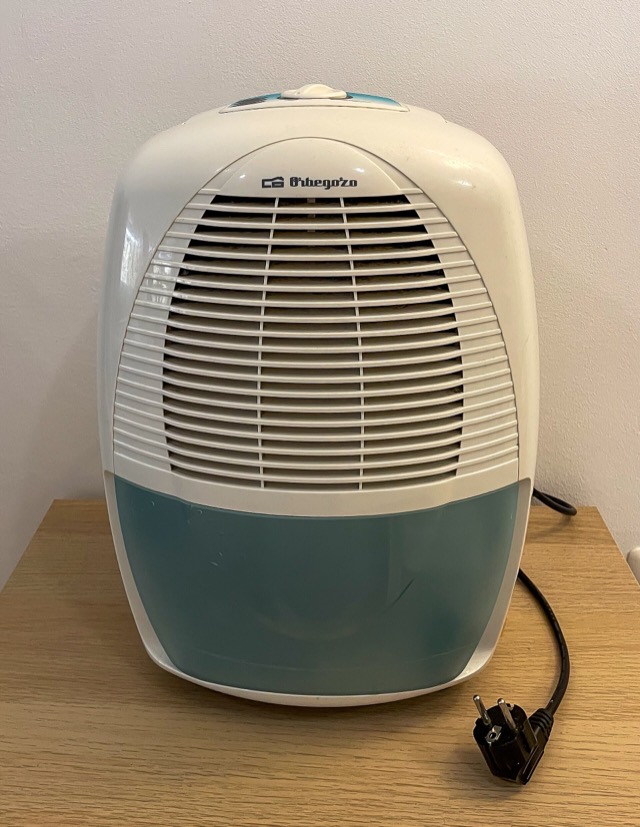
#9 Dehumidifier
A flooded room can take weeks to dry naturally, and mould starts long before it finishes. A decent dehumidifier running continuously shortens the drying time dramatically and protects plaster, joinery and health while it does.
Why it's #9: The flood is hours; the drying-out is weeks. This is the item that shortens the miserable part — and stops mould winning the race.
- Cuts drying time dramatically
- Protects plaster, joinery and lungs from mould
- Useful every winter for condensation
- The priciest item on the page
- Compressor models fade in cold rooms — desiccant types cost more to run
Before you buy: Check the extraction rate (litres/day). Desiccant models keep working in cold unheated rooms where compressor models fade.
Before any of it: the free stuff
The highest-value flood protection costs nothing: know your risk, get warnings early, and have a plan. Our guides cover building a flood kit in 15 minutes, what to do when a warning is issued, and what alerts and warnings actually mean.
FloodBrief chose every product category on this page editorially — no manufacturer paid to appear, and the "before you buy" notes are ours. As an Amazon Associate, FloodBrief earns from qualifying purchases made through the links above. Illustrative photos via Wikimedia Commons: sandbag alternatives (Gravitas International, CC BY-SA 3.0), dehumidifier (Mike Peel, CC BY-SA 4.0), wet & dry vac (Nynexman4464, CC BY-SA 2.5).


